Guide
A fashion show runs on a tight backstage schedule — getting models, crew and equipment to the venue on time and in one piece is part of the production, not an afterthought.
Planning the whole event, not just the transport? See our event planning services.
Quick Answer
A fashion show runs on a tight backstage schedule — getting models, crew and equipment to the venue on time and in one piece is part of the production, not an afterthought.
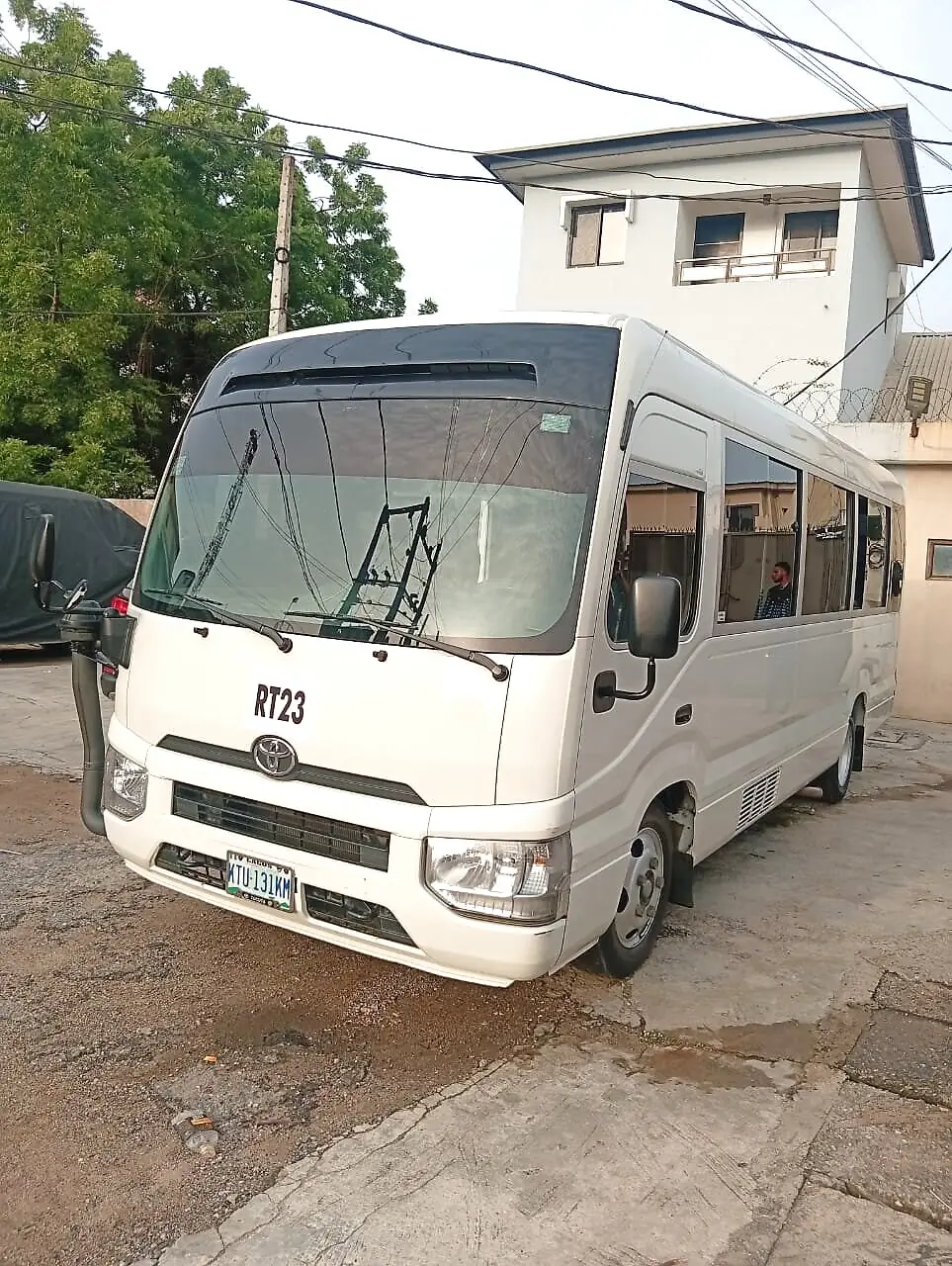
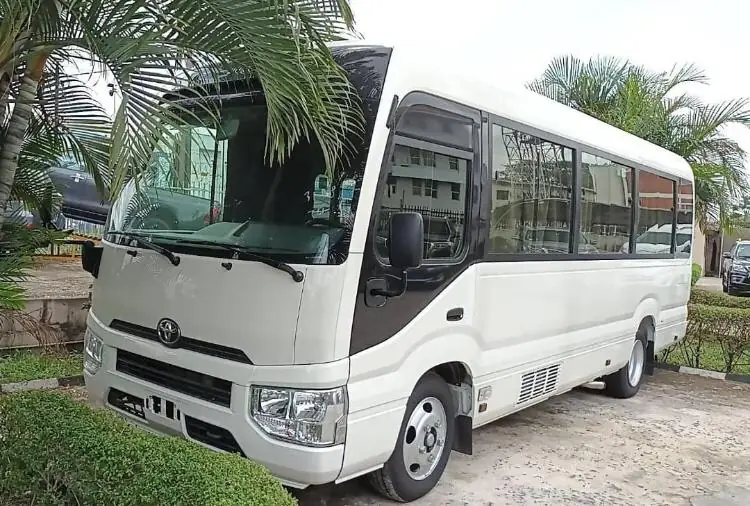
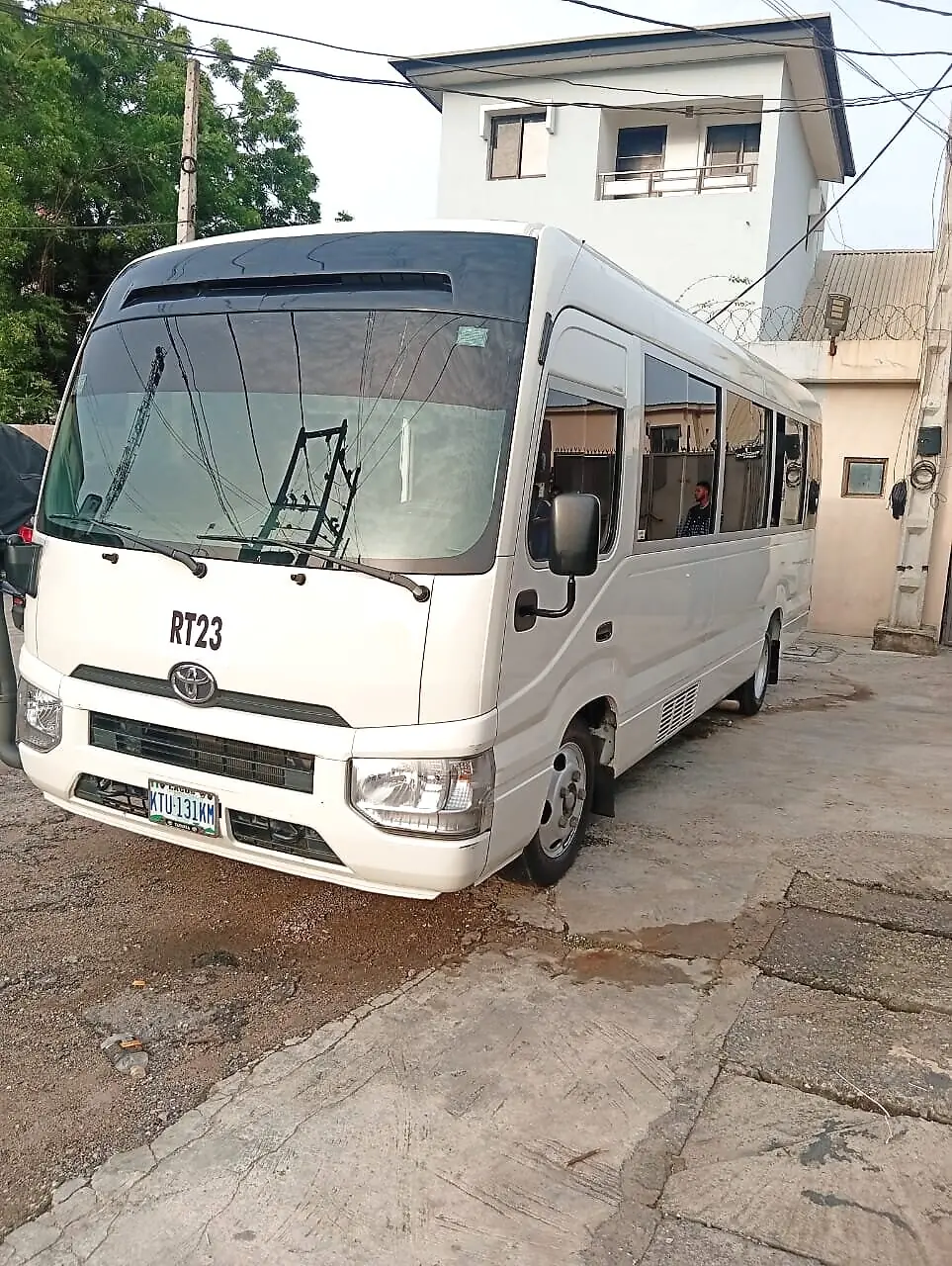
Coaster bus rental price starts from ₦120,000, depending on the type of service and the area of use. We charge per area of use, and we offer pick-up services and 12-hour services. Contact us to know the price for your trip.
A fashion show's success backstage depends on people and things arriving in the right order, at the right time — models, hair and makeup crew, garment racks, and sometimes lighting or sound equipment all need to reach the venue before the audience does. Transport is part of the production schedule, not a detail to sort out afterward.
The backstage call time is usually well ahead of the public show time, since hair, makeup and fitting take longer than most people expect. Booking a Coaster around the actual call time — not the show's advertised start — is what keeps the backstage team from arriving rushed.
Fashion week events often run across several days with different venues each day. Booking transport for the full run of the event — rather than day by day — keeps the schedule consistent and means the driver already knows the team and the routine by the second or third day.
Backstage call time, not the show's public start time, is what the transport schedule should be built around.
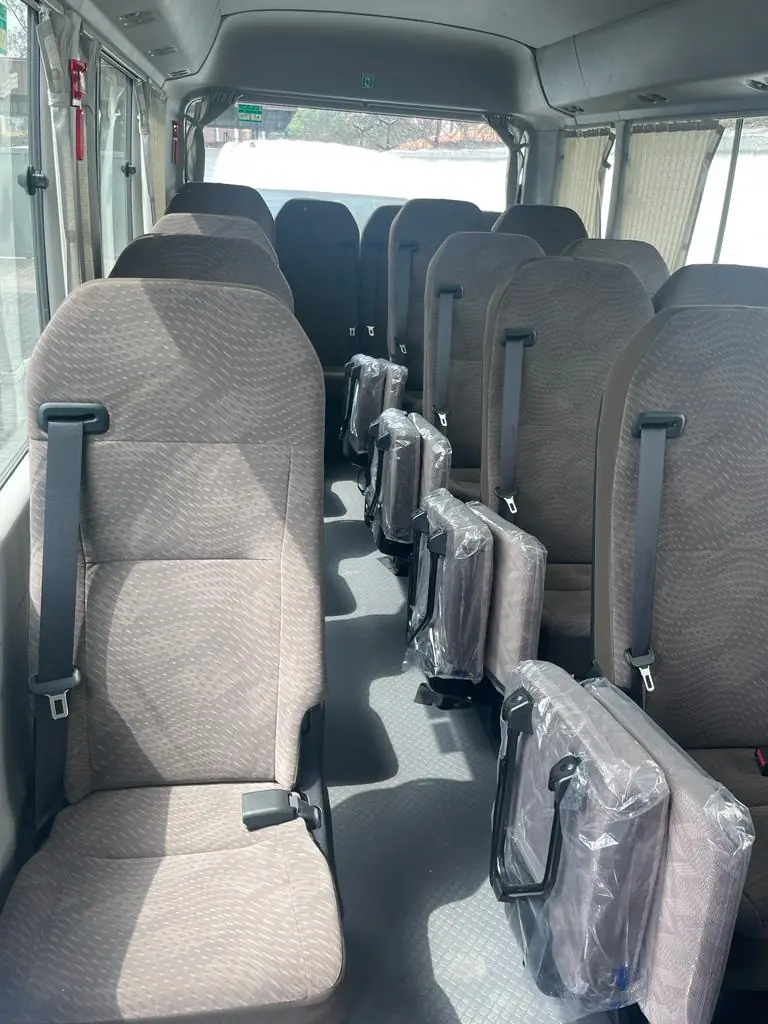
Garment racks, shoe boxes and accessory cases take up more room than a typical group's luggage, and a Coaster's cargo space handles this without crew having to hold delicate items on their laps for the ride.
Fashion shows and after-parties frequently run past their scheduled end time. Agreeing on a flexible return window in advance — rather than a fixed pickup minute — avoids a scramble once the show finally wraps.
Share your venue, call time, group size and equipment needs through the quote form, and we'll build the transport plan around your production schedule.
Related
Related