Guide
Camp day involves more luggage, more people, and less patience for delay than almost any other trip — here's how to plan the transport around it.
Quick Answer
Camp day involves more luggage, more people, and less patience for delay than almost any other trip — here's how to plan the transport around it.
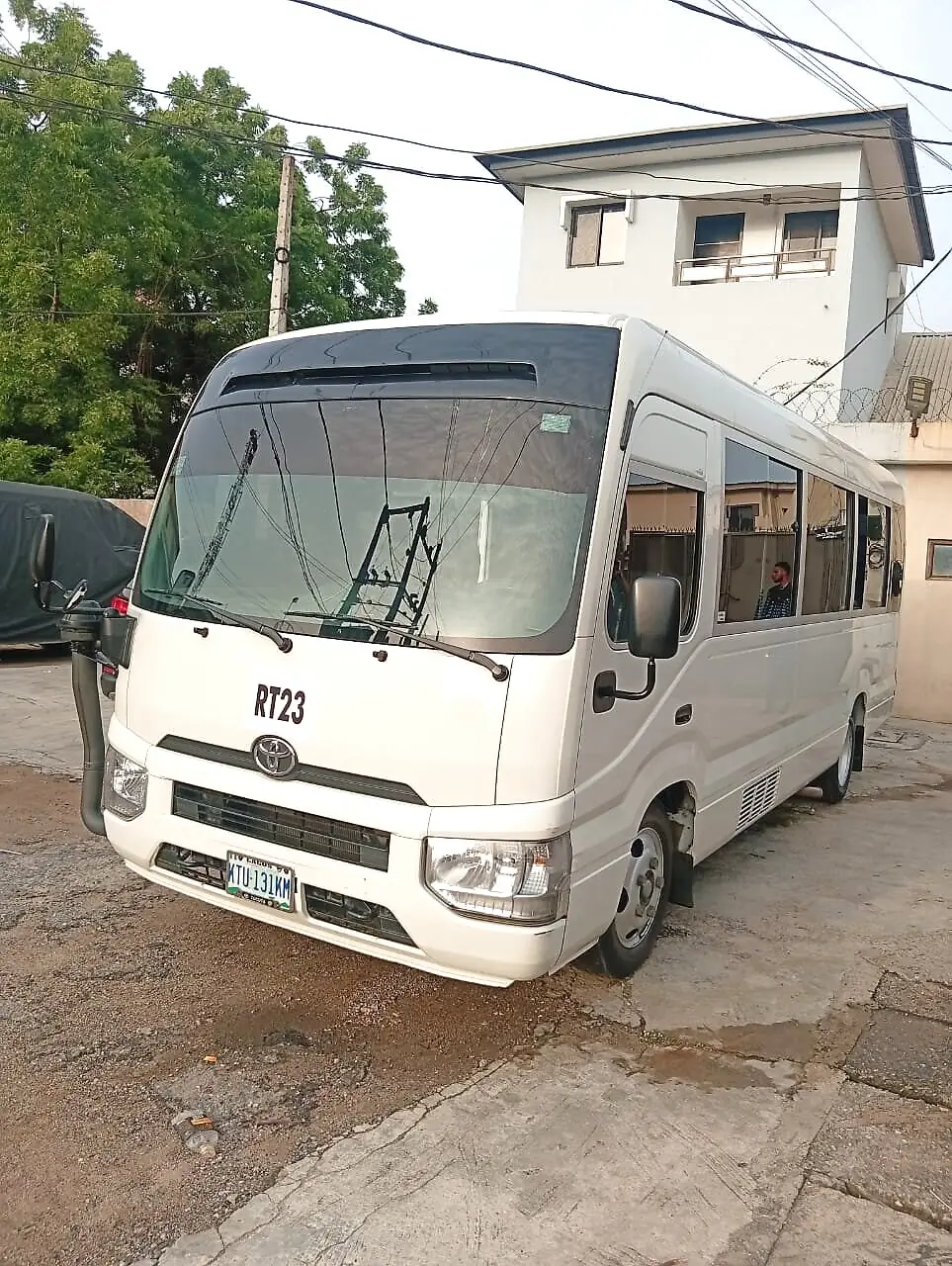
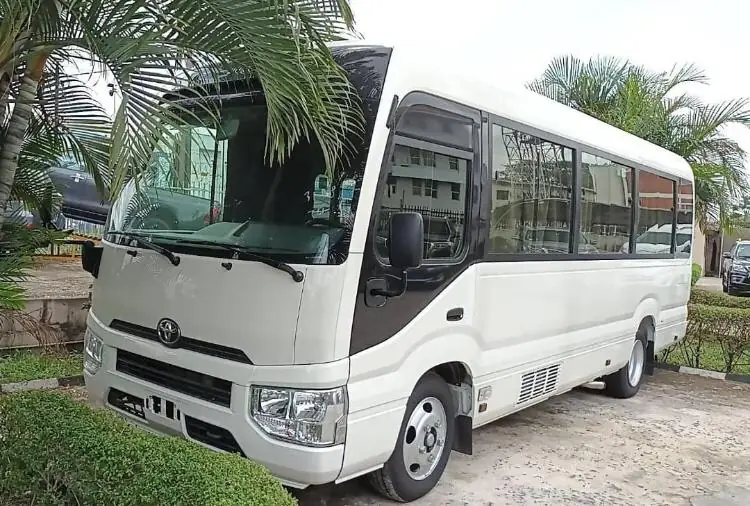
Camp orientation day has a rhythm of its own: an early departure, a mountain of luggage, and a gate that has its own idea of what time "morning" means. A Coaster booked specifically for the trip takes the guesswork out of getting a corps member — and everyone seeing them off — there in one piece.
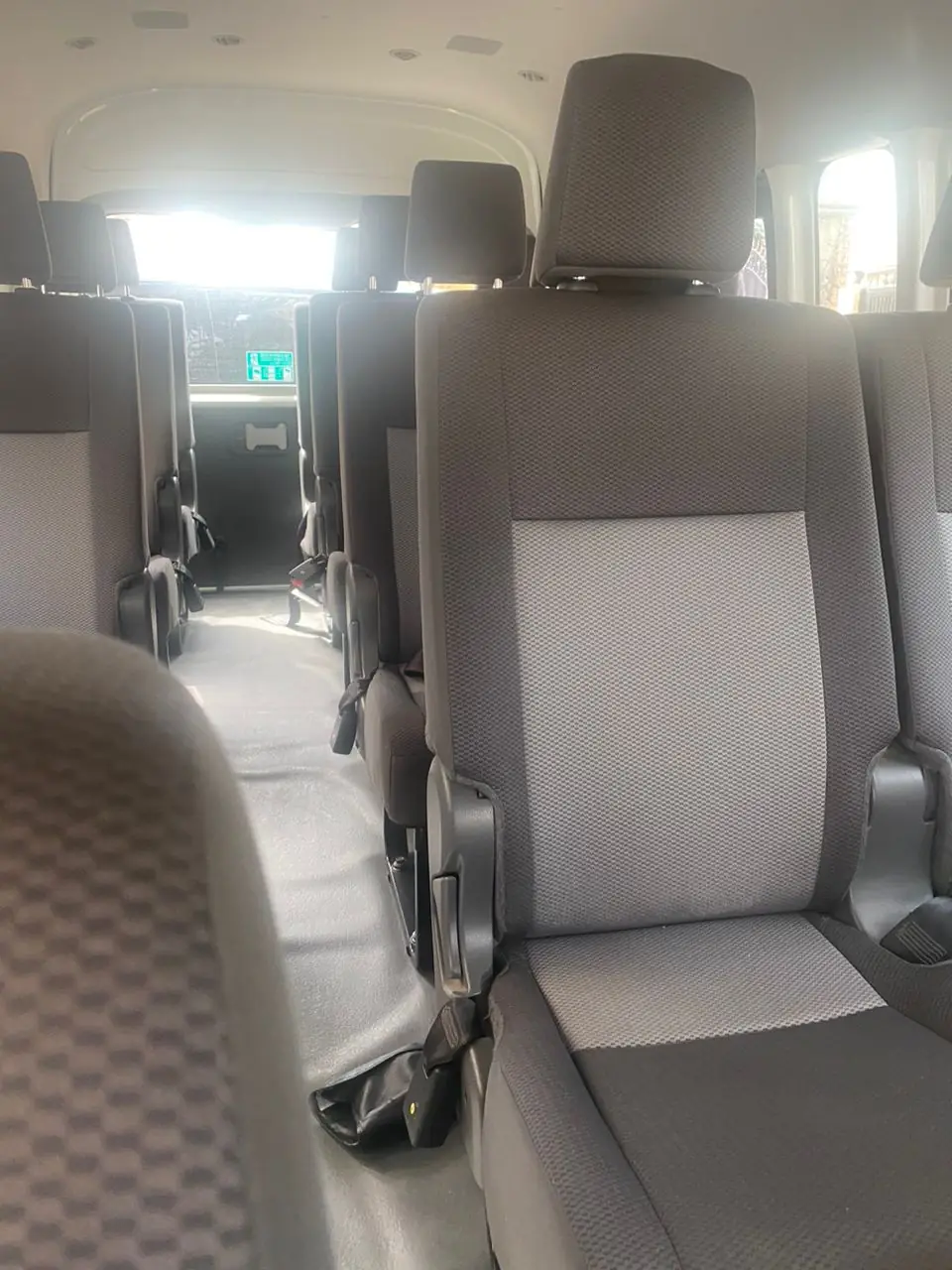
Public transport on camp day means haggling for space with a mattress, a box, and two bags, then doing it again on the way back three weeks later. A Coaster booked for the day removes that entirely — one vehicle, one departure time, and room for the extended family or group travelling along to see the corps member off.
Work backwards from the camp's stated reporting time and build in extra buffer for Lagos traffic and the queue that always forms at the gate itself. A driver who has done the run before is worth asking for specifically — they'll know which access road is faster on a given morning.
Camp-day transport succeeds or fails on timing, not comfort — arriving with room to spare matters more than anything else on the trip.
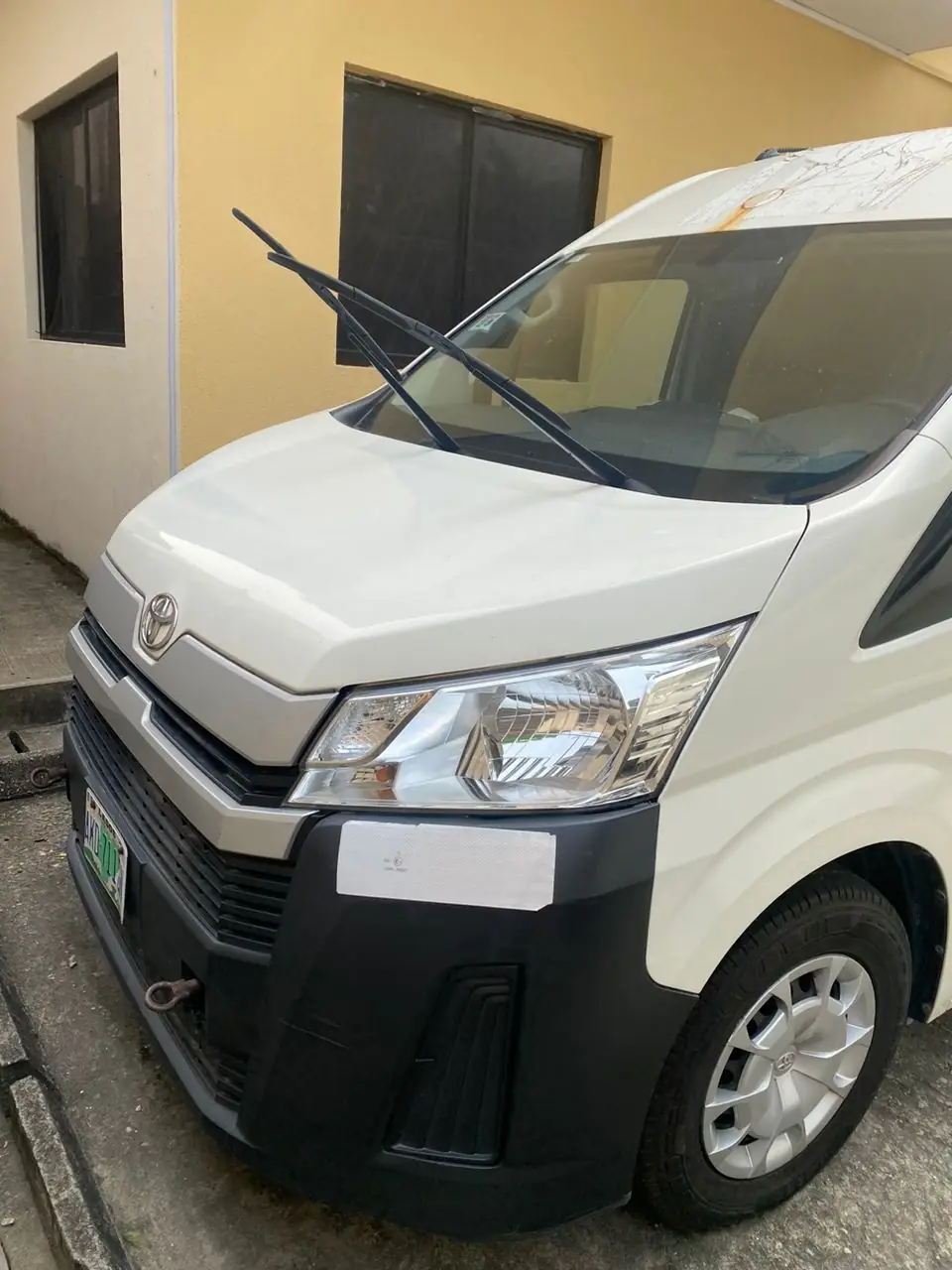
A Coaster's underfloor and rear storage handles mattresses, boxes and provisions far better than a car boot or a Hiace's more limited space. If you're travelling with more than two or three corps members and their full kit, the Coaster is usually the more practical choice even if the passenger count alone wouldn't require it.
It's worth booking the pickup for the end of orientation at the same time as the drop-off, rather than arranging it later — camp release dates are known well ahead, and locking in the return trip early means one less thing to coordinate during a busy week.
Send us the camp location, your drop-off date and roughly how many people and how much luggage you're travelling with through the quote form, and we'll recommend the right vehicle for the trip.
Related
Related